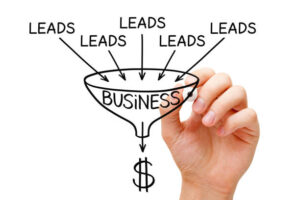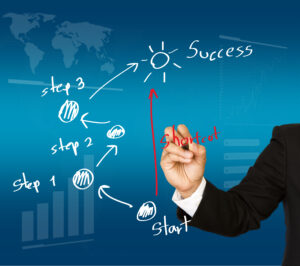
Retargeting That Works in 2025: Beyond Cookies and Static Ads – Why Your Retargeting Strategy Might Be Doing More Harm Than Good

Waterfall Content
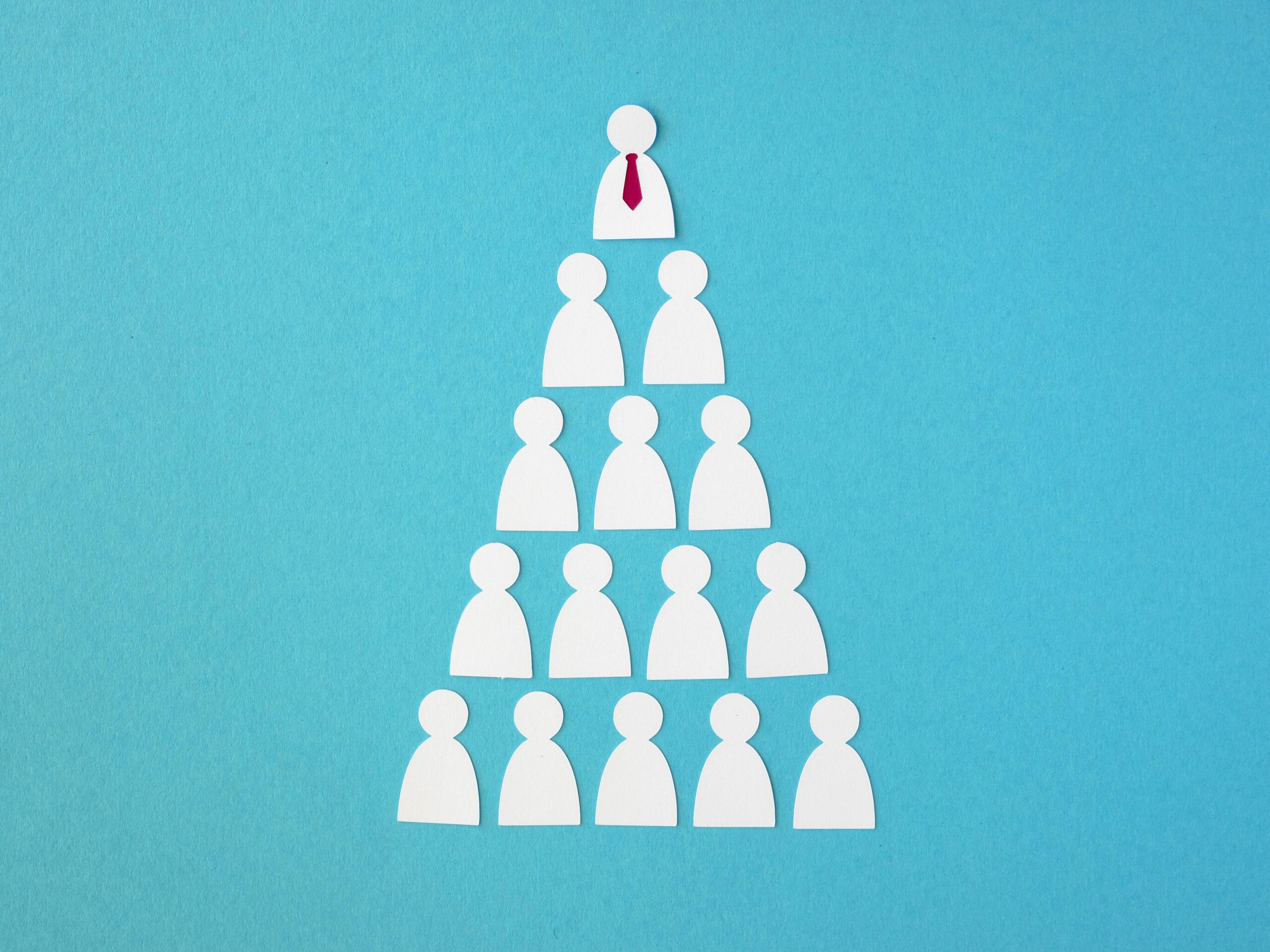

Why Most B2B Sales Forecasts Fail — And How Better Data Can Save Your Pipeline
Sales forecasting is a critical activity for B2B companies, yet most businesses struggle to produce accurate pipeline predictions. Poor forecasting often stems from incomplete or unreliable data, resulting in missed revenue targets, misguided resource allocation, and frustrated sales teams.
If your sales forecasts consistently miss the mark, or if pipeline visibility feels like guesswork, the problem likely lies in the quality and integration of your lead and funnel data.
What Is Funnel Forecasting and Why Does It Matter?
Funnel forecasting refers to using data from your entire sales funnel — from initial lead capture to deal closure — to predict future revenue. Unlike simple sales projections based on historical performance or gut feeling, funnel forecasting uses detailed, real-time data about leads, conversion rates, and sales velocity to generate more accurate and actionable predictions.

Common Challenges in B2B Funnel Forecasting
When marketing automation, CRM, and sales tools don’t sync properly, critical lead and engagement data can be lost or inconsistent, undermining forecast accuracy.
Not all leads are equal. Treating every lead as having the same likelihood to convert skews pipeline health assessments and revenue predictions.
Rigid forecasting models fail to adapt to evolving buyer behaviour, seasonal trends, or market dynamics, leading to outdated predictions.
Without alignment on lead stages, qualification criteria, and funnel definitions, forecasting becomes fragmented and unreliable.
Unify your CRM, marketing automation, lead management, and sales engagement platforms to build a single source of truth. This reduces data discrepancies and gives a comprehensive picture of the funnel.

Use data-driven lead scoring models that combine demographic fit with behavioural signals (website visits, content downloads, email engagement) to assign realistic probabilities to leads progressing through the funnel.
Analyze historical conversion rates between funnel stages and the average time deals spend in each stage. Use this data to adjust pipeline values and forecast timing accurately.
Leverage advanced analytics platforms that use machine learning to identify patterns and forecast future sales based on multiple variables and scenarios.
Establish clear, agreed-upon lead stages and qualification standards. Regular communication ensures everyone understands where leads stand and how pipeline health is assessed.
What Companies Can Do Better
Accurate funnel forecasting isn’t just about crunching numbers — it’s about leveraging rich, integrated data to predict your sales pipeline with confidence. B2B companies that prioritize data quality, process alignment, and continuous optimization gain a competitive edge by making smarter decisions, accelerating sales cycles, and maximizing revenue potential.
Want to take your sales forecasting to the next level with better funnel data? Connect with DemandLogi to discover actionable strategies that improve pipeline visibility and predictability.